3 min read
TAKE A BREAK
15 Best Souvenirs to Buy in Japan
Updated: 5/30/2026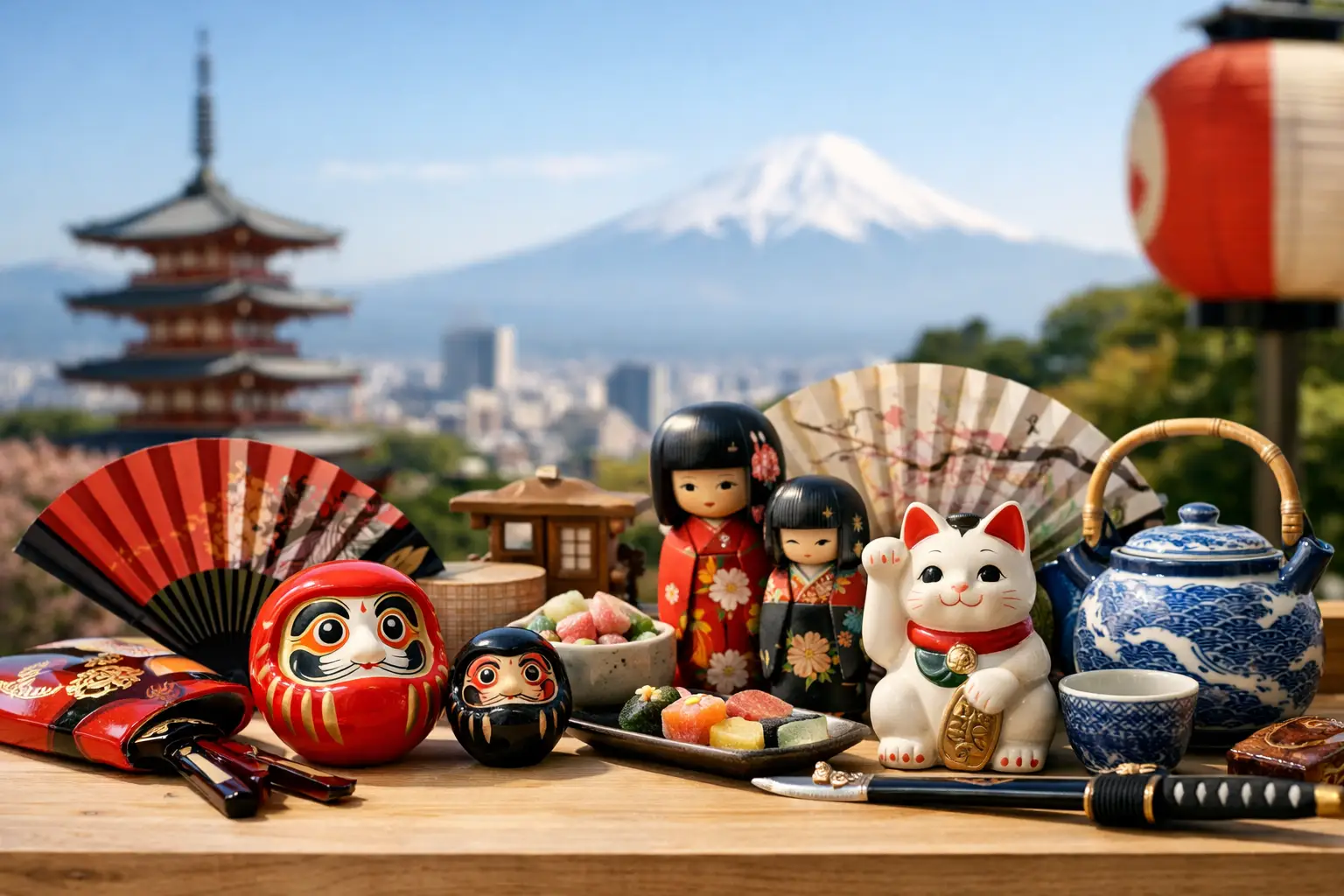
You can tell a lot about a trip by what makes it into the suitcase on the way home. If you’re hunting for souvenirs to buy in Japan, the best picks are usually the ones that feel distinctly local without turning into clutter a week later. Japan is especially good at that sweet spot - practical, beautifully made, and often surprisingly affordable.
The trick is not buying the first fan, fridge magnet, or random keychain you see in a tourist district. Japan has better options, from snacks that people genuinely get excited about to everyday items that are somehow nicer than the versions you already own. If you want gifts that travel well and feel worth the luggage space, start here.
What makes souvenirs to buy in Japan actually worth it?
The best Japanese souvenirs usually land in one of three categories: edible, useful, or hard to find outside Japan. That sounds obvious, but it helps cut through impulse buys fast. A box of regional Kit Kats might disappear in two days, but that also means you picked something people actually wanted. A handcrafted ceramic cup might cost more than a novelty trinket, but it has a better shot at becoming part of someone’s daily routine.
Price matters too. Japan has a wide range, which is great if you’re shopping for coworkers, close friends, or just yourself. Convenience stores, station shops, department store food halls, temple streets, and specialty craft shops all offer different versions of the same idea. The right choice depends on whether you want something playful, refined, or easy to pack in bulk.
The best souvenirs to buy in Japan
Japanese snacks and limited-edition sweets
If you need a crowd-pleaser, start with food. Japan turns snack shopping into a full category of travel entertainment. Regional Kit Kats get all the attention for good reason - flavors like matcha, strawberry, and sweet potato are fun, compact, and very easy to hand out. But they’re not the only move.
Look for Tokyo Banana, Royce chocolate, yatsuhashi in Kyoto, or buttery cookies and pastries sold in train stations and airport shops. Department store basements are especially dangerous in the best way. The only downside is shelf life and fragility, so save delicate sweets for the end of your trip.
Matcha and tea
Japan does tea extremely well, and it’s one of the easiest souvenir categories to scale up or down. You can buy affordable packets for casual drinkers or spend more on ceremonial-grade matcha for someone who already has a whisk at home. Green tea from Uji, hojicha, and genmaicha are all solid choices if you want something more distinctive than a basic souvenir tin.
Tea is also one of those gifts that feels thoughtful without being too personal. It packs flat, lasts a while, and doesn’t scream airport gift shop if you buy from a tea specialist or a good market.
Chopsticks that don’t feel generic
Yes, chopsticks can be a cliché. They can also be great if you buy a pair that’s actually well made. Japan has lacquered styles, hand-painted designs, and sets boxed nicely enough to give as gifts without extra effort. They’re useful, lightweight, and often much better than the novelty versions sold elsewhere.
If you’re buying for families or couples, matching sets work well. Just skip the ultra-cheap tourist bundles unless you truly only need a filler gift.
Ceramics and tableware
This is where Japan really wins. Bowls, teacups, sake cups, plates, and small dishes can be both beautiful and functional, and there’s enough variety to suit minimalist tastes or more decorative ones. A small ramen bowl or handmade mug can feel far more personal than a souvenir stamped with a city name.
The trade-off is obvious: ceramics can be heavy and breakable. If you’re traveling light, stick to smaller pieces like chopstick rests, sauce dishes, or tea cups. Many shops wrap items carefully, but you’ll still want to save room in your carry-on if you’re bringing back anything fragile.
Stationery
Japan has a reputation for stationery for a reason. Even people who don’t think of themselves as notebook people can get weirdly invested once they step into a proper stationery store. Pens write better, notebooks look cleaner, and small desk accessories somehow feel more satisfying.
This category works especially well for practical gifts. Think washi tape, planners, fountain pens, sticky notes, and sleek notebooks. It’s easy to keep costs low here, and the items are simple to pack. For coworkers or classmates, stationery is one of the safest bets on the list.
Beauty and skincare products
Japanese drugstores are a goldmine if you know what you’re looking at. Sheet masks, sunscreens, lip balms, hand creams, and hair products are popular souvenirs because they’re affordable and often have a loyal following outside Japan too. If someone in your life is into skincare, this can be a strong move.
Just watch liquid limits if you’re flying with carry-on only. Also, packaging can be Japanese-only, so it helps to stick with products that are easy to understand or widely recognized.
Traditional folding fans and tenugui cloths
If you want something more cultural but still easy to carry, folding fans and tenugui are smart picks. A fan is useful in warm weather and looks better than most obvious souvenir items. Tenugui, the thin cotton cloths used for everything from decor to wrapping, come in endless patterns and are lightweight enough to buy in multiples.
These gifts hit a nice middle ground. They feel distinctly Japanese, but they’re not so formal or expensive that you overthink who gets one.
Omamori from shrines and temples
For a smaller, more personal souvenir, omamori are worth considering. These are protective charms sold at shrines and temples, often tied to things like health, travel safety, exams, or good fortune. They’re compact, meaningful, and more memorable than a standard trinket.
This is one of those it-depends categories. For some travelers, they’re a thoughtful keepsake with cultural significance. For others, buying them casually in bulk can feel a little off. If you choose one, it’s usually best as a personal memento or a carefully chosen gift rather than a mass souvenir haul.
Japanese knives
For the right person, this is an elite souvenir. Japan is known for kitchen knives that are sharp, precise, and often beautifully crafted. If you cook regularly, bringing one home can be the kind of purchase you appreciate for years.
That said, knives are not an impulse buy. They cost more, require safe packing in checked luggage, and can be overwhelming if you don’t know what style you need. Great souvenir, but only if you actually plan to use it.
Sake, whisky, and regional drinks
If your gift list includes drink enthusiasts, Japan gives you options. Sake from a local brewery or a bottle of Japanese whisky can feel special in a way that mass-market souvenirs rarely do. Regional fruit liqueurs and craft drinks can also be fun if you want something less expected.
The main issue is weight and customs rules, so this is better for travelers with checked bags and a little patience. It’s a great category for one or two meaningful gifts, not twenty.
Anime, manga, and character goods
Not every souvenir needs to be tasteful and understated. If the person you’re shopping for loves anime, manga, Nintendo, Sanrio, or specific franchises, Japan is the obvious place to buy merch that feels more fun and more authentic than what they’d grab online later.
The key is knowing your audience. Character socks for your cousin who loves Studio Ghibli? Great. Random figurines for someone who has never watched anime? Probably not. This category gets specific fast, which is exactly why it works.
Where to shop without overthinking it
Department stores are excellent for food, beauty, and higher-end gifts. Train stations and airports are ideal for polished, easy-to-pack items, especially boxed snacks. Local markets and temple streets are better for traditional goods and small keepsakes. Drugstores are perfect for affordable beauty buys, and specialty craft or kitchen shops make sense when you want something less generic.
If you’re short on time, don’t underestimate Japanese airports. They’re much better for last-minute souvenir shopping than most travelers expect. You’ll usually pay a little more in some cases, but the convenience can be worth it.
How to avoid buying the wrong thing
A good rule is to shop in layers. Pick up durable, practical items early in the trip, then save snacks and fragile goods for the end. It also helps to think about who the gift is for before you buy anything. The best souvenir for a foodie is not the best souvenir for a desk-organizer person or a pop-culture collector.
And if you’re tempted by something because it looks very Japanese but you have no clue what you’d do with it at home, pause for a second. Souvenirs don’t need to be deep, but they should at least have a reason to come back with you.
Japan makes it unusually easy to shop well because even everyday products often feel considered. That’s really the sweet spot - souvenirs that are fun in the moment and still make sense once the trip is over. If you bring back something useful, delicious, or genuinely personal, you probably chose right.