3 min read
TAKE A BREAK
How to Start Meal Prepping Without Burnout
Updated: 6/12/2026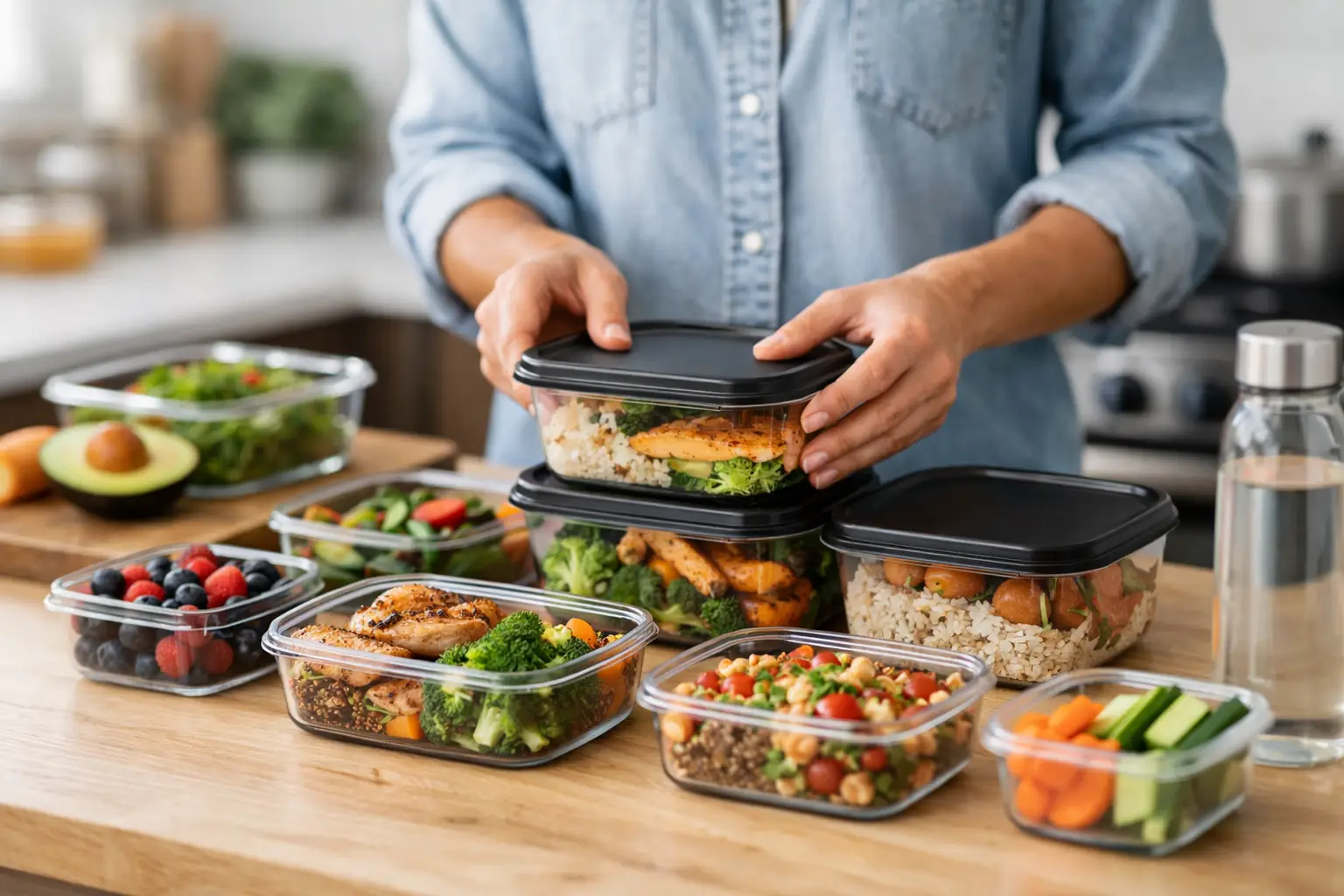
If your week keeps getting hijacked by last-minute takeout, random snack dinners, or the classic “there’s nothing to eat” moment at 7 p.m., meal prep can fix more than your fridge. Learning how to start meal prepping is really about making weekday food decisions easier, faster, and less annoying.
The part that throws people off is the internet version of meal prep. It often looks like a full Sunday production with matching containers, five identical lunches, and a level of kitchen discipline most people do not have. Real-life meal prep is much less dramatic. It should fit your schedule, your budget, and your tolerance for eating the same thing twice.
How to start meal prepping when you're brand new
The easiest mistake is trying to prep every meal for every day right away. That sounds efficient, but for beginners it usually turns into wasted food and a strong desire to never do it again. A better move is to start with one pressure point.
Maybe breakfast is chaos. Maybe lunch is where you overspend. Maybe dinner is when you get tired and order food because cooking feels impossible. Pick one meal category and solve that first. If lunch is your problem, prep three to four lunches. If mornings are rough, prep breakfast for a few days. Starting small makes the whole thing stick.
You also do not need a complicated menu. A solid beginner formula is one protein, one grain or starch, and one or two vegetables. Think chicken, rice, and roasted broccoli. Or ground turkey, sweet potatoes, and green beans. Or pasta, meatballs, and salad ingredients. It is not glamorous, but it works.
Pick a meal prep style that matches your life
Not everyone meal preps the same way, and that is where a lot of frustration starts. There are a few common approaches, and the best one depends on how much variety you want and how much cooking you can tolerate in one block.
The first style is full meal prep, where you cook complete meals and portion them into containers. This is great if you want grab-and-go convenience and very little thought during the week. The trade-off is repetition. If eating the same lunch four days in a row sounds bleak, this may not be your best fit.
The second style is ingredient prep. Instead of building full meals, you cook components ahead of time. You might roast vegetables, cook chicken, wash greens, and make rice, then mix and match through the week. This gives you more flexibility, but it also means a little more assembly at mealtime.
The third style is partial prep, which is often the sweet spot for beginners. You do a few tasks ahead of time, like chopping onions, marinating protein, making a sauce, or cooking one big batch of something useful. It saves time without turning your kitchen into a weekend shift.
If you are wondering how to start meal prepping in a way that lasts, partial prep is often the easiest entry point. It feels helpful, not extreme.
Start with meals you already like
This sounds obvious, but people skip it all the time. They decide meal prep is the moment to become a totally different person who eats plain salmon, boiled eggs, and kale seven days a week. By Wednesday, that version of them is gone.
Use meals you already make or already order. If you like burrito bowls, prep burrito bowls. If pasta keeps you sane, prep pasta with a protein and a vegetable on the side. If snacky lunches are more your speed, build a few box-style meals with deli turkey, cheese, fruit, crackers, and cut veggies.
The goal is not to impress anyone. The goal is to remove friction from your week.
Make a short plan before you shop
Meal prep falls apart fast when you shop without a plan. You come home with random ingredients that do not become actual meals, then end up back at square one.
Keep it simple. Before grocery shopping, decide how many meals you want to cover, what recipes or combinations you will make, and what ingredients overlap. Overlap matters because it saves money and cuts waste. If you buy cilantro for one tiny recipe and never use it again, that is not a great start.
A beginner-friendly plan might look like this in real life: overnight oats for three breakfasts, turkey wraps for three lunches, and prepped taco meat for two quick dinners. That is enough to noticeably reduce stress without turning your Sunday into a project.
Do not prep for too many days at once
A lot of people assume meal prep means making food for the entire week in one shot. That can work, but it depends on the food and on how you feel about leftovers by day five.
For most beginners, three to four days is the sweet spot. Food stays fresher, the prep session is shorter, and you have room to change your mind later in the week. If you want to cover more time, freeze a portion of soups, chili, cooked meat, or rice-based dishes and pull them out later.
This matters because meal prep is supposed to make life easier. If your fridge turns into a graveyard of containers by Thursday, the system is not helping.
A few tools help, but you do not need a full setup
You do not need a drawer full of matching glass containers to begin. You just need enough storage that your food stays fresh and you can see what you made.
A few medium containers, a couple small ones for sauces or snacks, and a decent sheet pan or skillet go a long way. If you pack lunches, containers that stack well and seal tightly are worth having. If you reheat food often, microwave-safe options are practical.
That said, tools are not the main thing. Plenty of people delay starting because they think they need to buy their way into being organized. You probably already have enough to test the habit before upgrading anything.
Keep your prep session short on purpose
One reason people quit is that they make meal prep too ambitious. They pick four recipes, use every pan in the kitchen, and spend half the day cooking. That is less a helpful routine and more an event.
Aim for about 60 to 90 minutes at first. Pick foods that cook at the same time or use similar ingredients. Roast vegetables while rice cooks. Brown ground meat while you mix a sauce. Wash fruit while something is in the oven. The more your prep overlaps, the less it feels like a chore.
It also helps to pick one anchor recipe and build around it. A big batch of shredded chicken can become bowls, wraps, salads, or quesadillas. A pot of rice can cover lunch and dinner. One good base ingredient creates options without extra work.
Expect a little boredom and plan around it
Even successful meal prep has a boredom ceiling. Most people do not want the exact same meal every day, no matter how efficient it is. That does not mean meal prep is failing. It just means variety matters.
The easiest fix is changing flavor, not rebuilding the whole meal. The same chicken and rice can go in a burrito bowl one day, a salad the next, and a grain bowl with a different sauce after that. Different seasonings, toppings, and sauces make repeat ingredients feel less repetitive.
You can also prep two smaller mains instead of one large one. That takes slightly more planning, but for some people it is the difference between eating what they made and ordering something else.
The best beginner meal prep ideas are boring in a good way
Complicated recipes are fun when you have time. They are less fun when your goal is consistency. Good starter meals are dependable, easy to store, and easy to reheat.
Think taco bowls, pasta with protein, sheet pan chicken and vegetables, chili, grain bowls, egg muffins, overnight oats, chicken salad, wraps, or stir-fry components. The common thread is not trendiness. It is convenience.
That is also why frozen ingredients are completely fair game. Frozen vegetables, cooked rice packets, pre-washed greens, rotisserie chicken, and canned beans can make meal prep much more realistic. If a shortcut gets you to actually do it, that shortcut is working.
Build a system, not a perfect week
The most useful shift is treating meal prep like a flexible system instead of a strict routine. Some weeks you may prep four lunches and feel extremely on top of life. Other weeks you may only wash produce, cook a pot of rice, and call it enough. That still counts.
What matters is reducing the number of food decisions you need to make when you are busy, tired, or distracted. That is the real win. Not beautiful containers. Not a photo-worthy fridge. Just less daily friction.
If you are learning how to start meal prepping, do the version that feels almost too easy. Prep fewer meals than you think you should. Repeat foods you already like. Leave room for flexibility. The best meal prep routine is the one you will still want next week.