3 min read
TAKE A BREAK
Laphroaig 10 Peaty? How Strong the Peat Really Is
Updated: 11/17/2026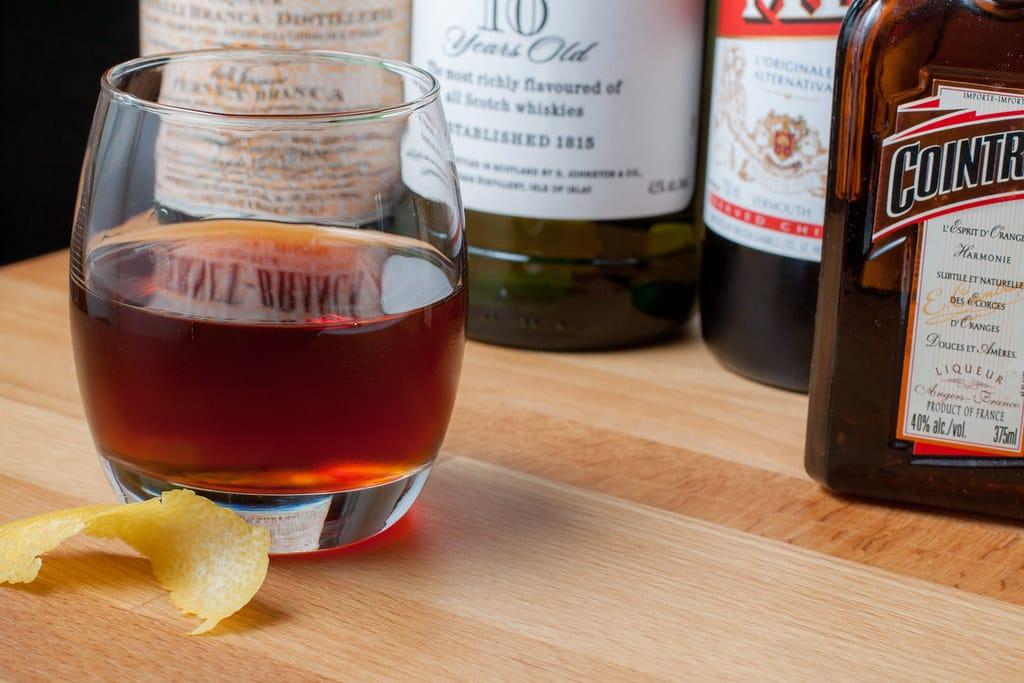
Scotland the Brave [255/366] Photo by timsackton · CC BY-SA 2.0
Is Laphroaig 10 peaty? Yes, strongly so. The malt is usually quoted at about 40 to 45 parts per million (PPM) of phenols, and in the glass that shows up as peat smoke, sea salt, and iodine. The number tells you how much peat went into the barley. The flavor tells you how it feels. Here is both, plus a clear way to decide whether this bottle suits you.
Is Laphroaig 10 peaty? The PPM numbers
Peat strength is measured as phenol parts per million, or PPM. The figure describes the malted barley before distillation, not the finished whisky, so it is a guide rather than a direct reading of your glass. Higher PPM generally means more peat smoke went into the malt.
For Laphroaig 10, the figures in circulation are close but not identical:
- About 40 PPM, the figure in Whiskipedia's phenol guide and in several comparison lists.
- About 45 PPM, a figure The Whiskey Wash attributes to Beam Suntory, which owns the distillery.
Why do they differ? Sources quote a spec, a batch, or a rounded figure, and they do not always say which. Both numbers place the malt in the same strong-peat zone, so read them as a range rather than a precise specification.
For a broader look at how the distillery treats peat, see Laphroaig Unveils Exclusive Wall Collection: Peat - A 36-Year-Old Tribute to Peat's Essence.
Is Laphroaig 10 heavily peated?
It depends on the scale you use, and this is where most articles get muddled. Whiskipedia sorts whisky into three bands: lightly peated at 10 PPM or less, medium peated at around 25 PPM, and heavily peated above 50 PPM. By that scale, a malt at 40 to 45 PPM sits between medium and heavy, below the heavy line.
Yet many reviewers and shops call Laphroaig 10 heavily peated, and most tasters find the smoke heavy in the glass. Our read: by the malt scale it is high-medium, but by taste it is heavy. For a newcomer, the flavor matters more than the label.
What the peat tastes like
Reviewers agree on the core profile. Me, My Wife & Whisky describes a nose of sea salt, charcoal, and iodine-rich peat. The Whiskey Shelf goes further and describes chemical, industrial notes such as burnt rubber or gasoline. Opinions split here, which is useful: the same bottle reads as medicinal and comforting to some drinkers and as harsh to others.
Use this checklist on your first pour:
- Nose: peat smoke, sea air, iodine, and wet ash.
- Palate: smoke arrives first, followed by salt and a dry, medicinal backbone.
- Finish: long, smoky, and drying.
Laphroaig 10 vs Ardbeg 10
Ardbeg 10 is the usual comparison. LegacyDram puts Ardbeg 10 at roughly 50 to 55 ppm of phenols, higher than the 40 ppm figure it gives for Laphroaig 10. Peat level does not tell the whole story, though. The Liquor Barn describes Ardbeg 10 as darker and tarrier, with more citrus-tinged peat, while Laphroaig 10 leans medicinal and iodine-forward.
| Criterion | Laphroaig 10 | Ardbeg 10 |
|---|---|---|
| Malt peat level (LegacyDram) | About 40 ppm | About 50-55 ppm |
| Dominant character | Medicinal, iodine-forward | Darker, tarry, citrus-tinged |
| Best for | Fans of iodine and medicinal smoke | Fans of heavier, tarrier peat |
On paper, Ardbeg has more peat. In the glass, Laphroaig is the sharper, saltier style. Pick based on which kind of smoke you like, not the number alone.
Which bottle should you buy?
The standard 10-year-old is bottled at 40% or 43% ABV depending on market, according to Wikipedia. Batch 17 Cask Strength is bottled at 58.3% ABV, according to the distillery. The range also includes other 10-year releases, such as a Sherry Oak version, so check the label before comparing reviews, because bottlings differ.
Our verdict:
- Buy the standard 10 if you want to learn the peat and see whether you like it.
- Buy cask strength if you already enjoy big, bold whisky and do not mind adding water.
- Skip it, or start with a lighter style, if smoke and iodine are a turnoff.
A practical path for peat newcomers
- Start with the standard 10, neat, in a small pour.
- Add a few drops of water and taste again. Water often softens the heat and opens up aromas, though that part is a matter of taste.
- Once you know the house style, try a lighter Islay to measure the difference.
- Move to Batch 17 only after the standard feels comfortable, and dilute it to taste.
For more context on the bottle before you buy, read An Introduction to Laphroaig 10: The Perfect Peaty Scotch Whisky To Start Your Journey.
Price and where to buy
Price varies by retailer, market, and date. Listings quote anywhere from about $34 to around $59 USD, and a 2025 review cites the higher end. Treat any single figure as a snapshot and check your local shop before you buy.
Frequently asked questions
How does Laphroaig 10 compare with other Islay whiskies?
Its malt figure of about 40 to 45 PPM places it among the strongly peated Islay malts. Ardbeg 10 is generally listed higher, so Laphroaig 10 is a strong peat but not the heaviest on the shelf.
Is Laphroaig 10 smoky or peaty?
Both words describe the same thing here. The smoke comes from peat, so expect strong, medicinal smoke with iodine and sea salt rather than a light, woody smoke.
Is Laphroaig 10 good for beginners?
It can be, but it is a demanding first Islay, and some tasters find it overwhelming at first. Start with a small pour, add water, and consider a milder peated whisky first if big smoke puts you off.
What proof is Laphroaig 10?
The standard bottling is 40% or 43% ABV depending on market. Batch 17 Cask Strength is 58.3% ABV.
How old is Laphroaig 10?
It is a 10-year-old single malt, matured in ex-bourbon barrels, according to the distillery's own page.
Takeaway
Is Laphroaig 10 peaty? Yes. The malt is usually quoted at about 40 to 45 PPM, which is strong peat by most measures, even though it falls below the heavy line on one popular scale. If you like iodine and sea salt, it is a rewarding pick. Start with the standard bottling, add a little water, and step up to cask strength only when you are ready.