3 min read
TAKE A BREAK
Microdramas Explained: Why One-Minute Soap Operas Are Everywhere
Updated: 10/16/2026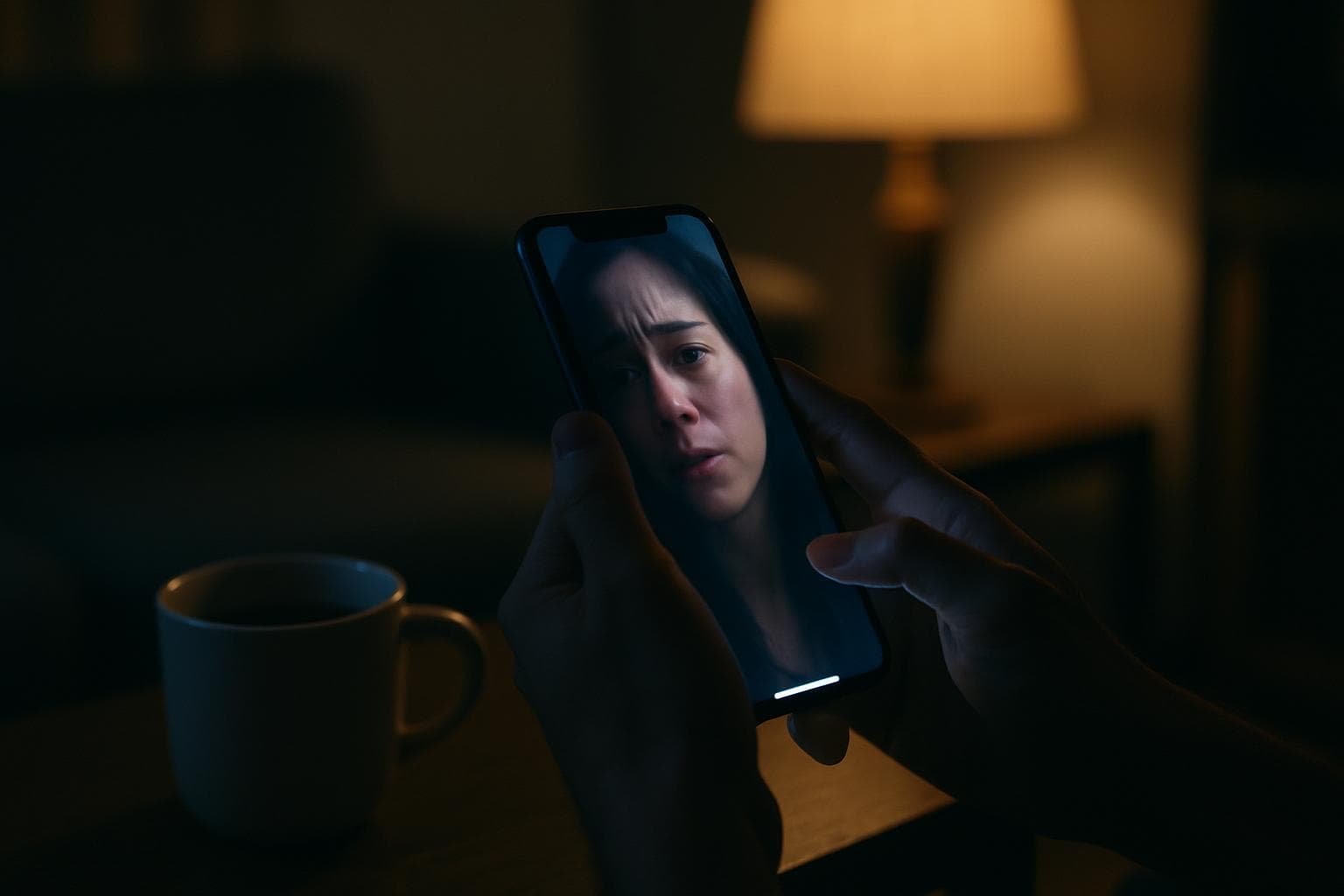
You've probably seen the ad for microdramas. A bride is humiliated at her own wedding. A billionaire is pretending to be a waiter. Right at the turning point, the clip cuts out and invites you to download an app to find out what happens next.
Those ads promote microdramas: scripted, vertical series split into episodes that typically run one to three minutes. The first episodes are usually free, and the rest unlock with coins, subscriptions, or rewarded ads. Here's how the format works, how the money adds up, and why you keep seeing it.
What Exactly Is a Microdrama?
A microdrama is a serialized story built for a phone screen, where nearly every episode ends on a hook.
The format is shot vertically and cut into very short episodes. A single story can run dozens of episodes, and each one is written to end just as the tension peaks. If you've ever watched a telenovela with the slow parts removed, you already understand the idea.
The format started in China, where it's called duanju, or "short drama" (see Duanju on Wikipedia), before spreading to audiences in the United States and beyond. The plots are deliberately over the top: contract marriages, CEOs falling for their assistants, secret heirs, and long revenge arcs. The goal isn't prestige. It's a fresh emotional jolt every minute or so, which is exactly what a scrolling thumb wants.
How Microdramas Make Money: Coins, Subscriptions, and Ads
Most microdrama apps work like free-to-play mobile games: the hook is free, and the payment request arrives at the cliffhanger.
The typical path looks like this. You start a series for free, watch the opening episodes, and hit a paywall right when the story gets interesting. From there, you usually have three options:
- Buy coins to unlock episodes one at a time or in bundles.
- Subscribe for broader access, often on a weekly, monthly, or yearly basis.
- Watch rewarded ads or wait on daily timers to unlock episodes slowly, for free.
Payment is the core of the business. Omdia reports that more than 60% of global microdrama revenue comes from subscriptions or transactional payments, as of its October 2025 release. Rewarded ads and timers are the alternative for viewers who won't pay, and they also generate revenue from the time you spend waiting.
Prices change often and vary by region and app store, so check the app before you commit. In one 2026 comparison, weekly spending in coins runs roughly $17 to $20, and DramaBox's unlimited pass is listed at $19.99. App store billing rules also shape how coins are sold and priced, which is one reason costs can shift quickly.
The Numbers: How Big Is the Microdrama Market?
Omdia estimates microdramas generated about $11 billion in 2025, and forecasts more than $14 billion for 2026.
China still dominates. Omdia says China accounts for 83% of total microdrama revenue, while the United States is the largest market outside China. Omdia also projects that by the end of 2026, the U.S. will account for 50% of microdrama revenues outside China.
The app-level numbers show how fast the leaders have grown. Sensor Tower estimates that global in-app revenue from short drama apps reached about $700 million in Q1 2025, nearly four times the level of Q1 2024. By March 2025, the two biggest apps had generated the following cumulative global in-app revenue:
| App | Cumulative global in-app revenue (through March 2025) |
|---|---|
| ReelShort | $490 million |
| DramaBox | $450 million |
Engagement is where the format really stands out. In the U.S., Omdia reports that ReelShort users average 35.7 minutes per day, compared with 24.8 minutes for Netflix, 26.9 for Prime Video, and 23.0 for Disney+. Netflix still has far more users overall, but microdrama fans give these apps more of their day.
Market figures are as of October 2026, based on the sources linked in this article.
Why Microdrama Ads Are All Over Your Feed
The ad is the funnel: a short cliffhanger that stops your scroll and sends you to install the app for the ending.
Microdrama apps need new users constantly, and social feeds are one of the easiest places to reach people who already watch short vertical video. The ads borrow what works on TikTok, Instagram, and Facebook: a fast opening, an outrageous premise, and a cut at the exact moment you most want to know what happens next.
Take the bride ad from the top of this article. The first few seconds deliver the humiliation. The rest of the story sits behind an install button. Once you're in, the free episodes do the selling. You get attached to the characters, and then the paywall arrives.
The Cracks in the Model
Lots of downloads don't automatically become profit, because the business depends on turning free viewers into paying customers.
- Many viewers, fewer payers. When most people are watching free episodes or unlocking with ads, revenue depends on converting a small share into paying users.
- Profitability is still debated. Sources disagree about ReelShort. One describes it as still loss-making. A Media Partners Asia projection says it could cross into profit in 2026, on about $1.05 billion in revenue.
- The dark patterns critique. Critics compare the design to mobile games built around impulse: timers, rewarded ads, and paywalls placed at peak tension. The concern is less about the entertainment and more about the pressure to pay.
- Copycat apps and vendor pitches. Many smaller apps look nearly identical, and plenty of online guides promise to help you build a "clone." Read those guides as sales pitches, not neutral advice.
- Platform rules. App store billing policies shape how coins are sold, which can change prices and access without much warning.
Microdramas Beyond the U.S.: Latin America
Latin America is becoming an important testing ground, with broadcasters adapting the format for their own audiences.
In July 2025, TelevisaUnivision launched a slate of original vertical series for its ViX platform, with 40 original microdramas planned for release, according to its corporate press release. Mexico is a major market for ViX, and the company's move shows how traditional broadcasters are experimenting with the format. Variety's Content Americas coverage also looks at how Latin American producers are blending microdrama addiction with retooled telenovela storytelling. For readers outside the U.S., this is where the format's next chapter may be written.
Frequently Asked Questions
Are microdramas free?
Partly. The first episodes of most series are free, and the rest unlock through coins, subscriptions, rewarded ads, or timers. Your total cost depends on how many episodes you want and how quickly you want to watch them.
How long is each microdrama episode?
Most episodes run about one to three minutes, depending on the app and the series. The format is built for short breaks, not long sessions.
Are ReelShort and DramaBox profitable?
Results vary by source. Media Partners Asia reports that DramaBox had about $323 million in 2024 revenue and $10 million in net profit, though not every source uses those figures. ReelShort's profitability is disputed: one source calls it still loss-making, while a Media Partners Asia projection has it turning profitable in 2026.
Are microdramas worth paying for?
It depends on how much you watch. Compare the weekly cost with a streaming subscription, check what the free tier includes, and set a budget before you start a series. If the cliffhangers keep pulling you into spending more than you planned, the format is working exactly as designed.
The Bottom Line
Microdramas are soap operas rebuilt for the scroll. They're built around hooks that make you pay to find out what happens next, and their ads are hard to miss. The market is large and growing, but the profit story is still being written. If you try one, decide your budget before the first cliffhanger decides it for you. At 3minread, we'll keep tracking how the format changes.