3 min read
TAKE A BREAK
What Is a Cold Wallet and Why Use One?
Updated: 5/29/2026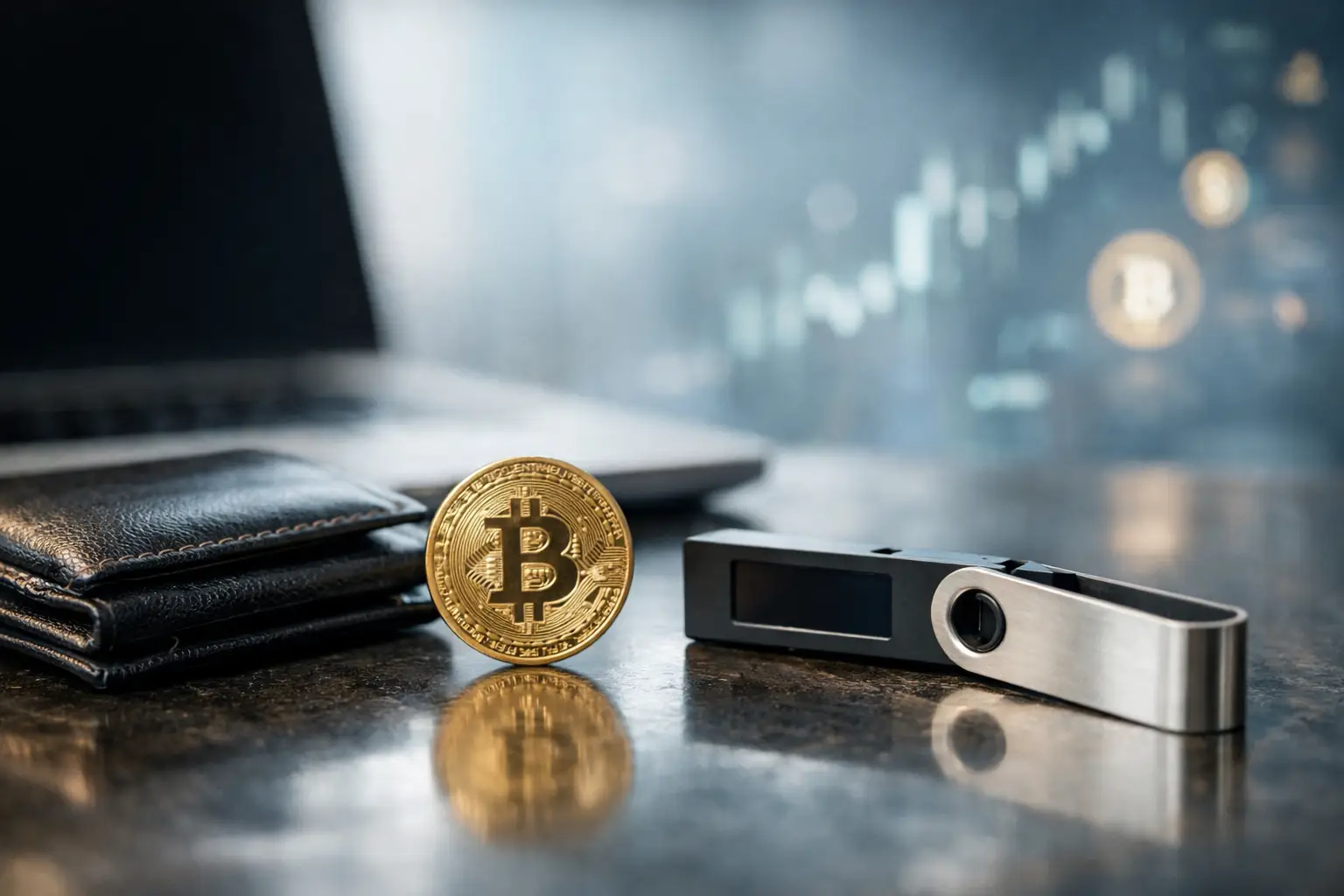
If you've ever bought crypto and then left it sitting on an exchange, you've already run into the question behind what is a cold wallet. At some point, every casual crypto holder hears the same warning: convenient storage and secure storage are not always the same thing.
A cold wallet is a way to store your crypto private keys offline. That offline part is the whole point. Instead of keeping the keys connected to the internet through an exchange, app, or browser wallet, a cold wallet keeps them separated from online threats like hacks, malware, and phishing attempts.
That sounds simple, but the details matter. Cold wallets are often described as the "safer" option, which is mostly true, but they also ask more from you. You get more control, and with that comes more responsibility.
What is a cold wallet in crypto?
In crypto, ownership is tied to private keys. Those keys let you access and authorize transactions from your wallet. If someone gets your private key, they can move your funds. If you lose it and have no backup, your crypto may be gone for good.
So what is a cold wallet exactly? It's any wallet that stores those private keys offline, away from constant internet exposure. That could mean a hardware wallet, a paper wallet, or even an air-gapped device set up only for crypto storage.
The most common version is a hardware wallet. This is a small physical device that stores your private keys and signs transactions without exposing those keys directly to your computer or phone. You connect it only when needed, approve actions on the device itself, and keep it unplugged the rest of the time.
Think of it like keeping cash in a home safe instead of in your pocket. It's less convenient for everyday spending, but much better for long-term storage.
Cold wallet vs hot wallet
The easiest way to understand cold storage is to compare it with a hot wallet.
A hot wallet is connected to the internet. That includes exchange wallets, mobile crypto apps, desktop wallets, and browser extensions. They're built for speed and convenience. If you trade often, collect NFTs, or use crypto apps regularly, a hot wallet is usually what you're using.
A cold wallet is not constantly online. That's why it offers stronger protection against remote attacks. If a hacker can't reach your private keys through the internet, one major category of risk drops significantly.
But convenience shifts in the opposite direction. Sending crypto from a cold wallet usually takes extra steps. You may need the physical device, your PIN, your recovery setup, and a little patience. For active traders, that can feel annoying. For long-term holders, it's usually worth it.
This is why many people use both. They keep a smaller amount in a hot wallet for regular use and move the bulk of their holdings into cold storage.
How a cold wallet actually works
The basic job of any wallet is not to "hold" the coins themselves. Crypto lives on the blockchain. The wallet holds the keys that prove control over that crypto.
With a cold wallet, the private key is generated and stored offline. When you want to send crypto, the transaction can be prepared on an internet-connected device, but the signing happens on the cold wallet. That signed transaction is then broadcast to the network without exposing the private key itself.
This setup matters because the weak point in crypto security is often the internet-connected device. Laptops get infected. Phones get compromised. People click fake links. A cold wallet is designed to reduce the damage those mistakes can cause.
That said, it does not make you invincible. If you type your recovery phrase into a fake website, lose your backup, or buy a tampered device from an untrustworthy source, a cold wallet can't save you from that.
Types of cold wallets
Most people mean hardware wallets when they talk about cold storage, and for good reason. They're practical, user-friendly compared with older methods, and designed specifically for secure key management.
Hardware wallets usually look like a small USB-style device or compact handheld gadget. They protect private keys inside the device and require physical confirmation before transactions go through.
Paper wallets also count as cold storage, at least technically. This means printing or writing down your private and public keys on paper and keeping them somewhere safe. It's offline, yes, but it's also easy to damage, lose, or mishandle. For most people, paper wallets are more of a crypto history lesson than a smart modern choice.
Then there are air-gapped setups, where a device is kept permanently offline and used only for signing transactions. This can be very secure, but it's more advanced and usually overkill for someone just trying to store a few thousand dollars in Bitcoin or Ethereum.
Why people use cold wallets
The biggest reason is control. Keeping crypto on an exchange means trusting that platform to protect your assets, stay solvent, and give you access when you want it. That's a lot of trust in one company.
A cold wallet shifts control back to you. No exchange login. No platform outage. No waiting on customer support if your account gets frozen. If you hold the keys, you hold the asset.
Security is the second big reason. Exchanges and online wallets are common targets because they're connected and hold large amounts of value. Cold wallets reduce that exposure by taking the sensitive part of the equation offline.
There's also a mindset difference. People tend to use cold wallets for long-term holding. If you're buying crypto with a plan to sit on it for months or years, cold storage encourages a slower, more deliberate approach.
The trade-offs most people forget
Cold wallets are safer in some ways, but they are not effortless.
First, you are responsible for your recovery phrase. This is the backup that lets you restore access if the device is lost, stolen, or damaged. If someone else gets that phrase, they can take your funds. If you lose it, your backup may be useless. That tiny list of words matters more than the device itself.
Second, there is a learning curve. Setting up a wallet, verifying addresses, storing backups properly, and avoiding scams takes attention. None of it is impossible, but it does require care.
Third, physical security matters. A cold wallet can be lost in a move, thrown out by mistake, or damaged by water or fire. The device is only one part of the system. Your backup plan is the real safety net.
And finally, cold wallets can be inconvenient if you move crypto often. If you trade daily, need quick access, or use decentralized apps all the time, full cold storage may feel like too much friction.
Who should consider a cold wallet?
If you own a meaningful amount of crypto and plan to hold it rather than trade it constantly, a cold wallet is worth serious consideration. "Meaningful" depends on your budget, but a good rule is simple: if losing that amount would hurt, stronger storage makes sense.
It's especially useful for people who want to reduce dependence on exchanges. If recent crypto headlines have taught anything, it's that platforms can fail, accounts can get locked, and convenience can disappear fast.
On the other hand, if you're just experimenting with a small amount of crypto, a reputable hot wallet may be enough while you're learning. Security should match the size of the risk. Going full fortress mode for $40 in crypto is not always necessary.
What to look for if you get one
The best cold wallet is usually the one you can use correctly and consistently. Strong security features are great, but they don't help much if the setup is confusing enough that you make mistakes.
Look for a device with a solid reputation, clear setup instructions, support for the coins you own, and an easy way to verify transactions on the device screen. Buying directly from the manufacturer is generally smarter than taking chances with random third-party sellers.
Also pay attention to the recovery process before you ever transfer funds. If you don't understand how to restore your wallet, you don't fully understand your storage yet.
What is a cold wallet really for?
At its core, a cold wallet is for people who want fewer online risks and more personal control over their crypto. It's not magic. It won't fix careless habits or protect you from every scam. What it does do is remove one of the biggest weak spots in crypto security: keeping your keys exposed to the internet all the time.
That makes it a strong option for long-term holders, cautious investors, and anyone who has outgrown the "leave it on the exchange and hope for the best" stage.
If you're deciding whether to get one, the real question isn't whether cold wallets are good. It's whether your crypto is valuable enough to deserve a little extra friction in exchange for a lot more peace of mind.